From The Farm — Insights & Knowledge
Expert articles on natural powders, sustainable sourcing, and the business of Indian agriculture.
Product Guide
Why Dehydrated Onion Powder is India's #1 Exported Vegetable Product
Khushi Farms Team • April 2026 • 5 min read
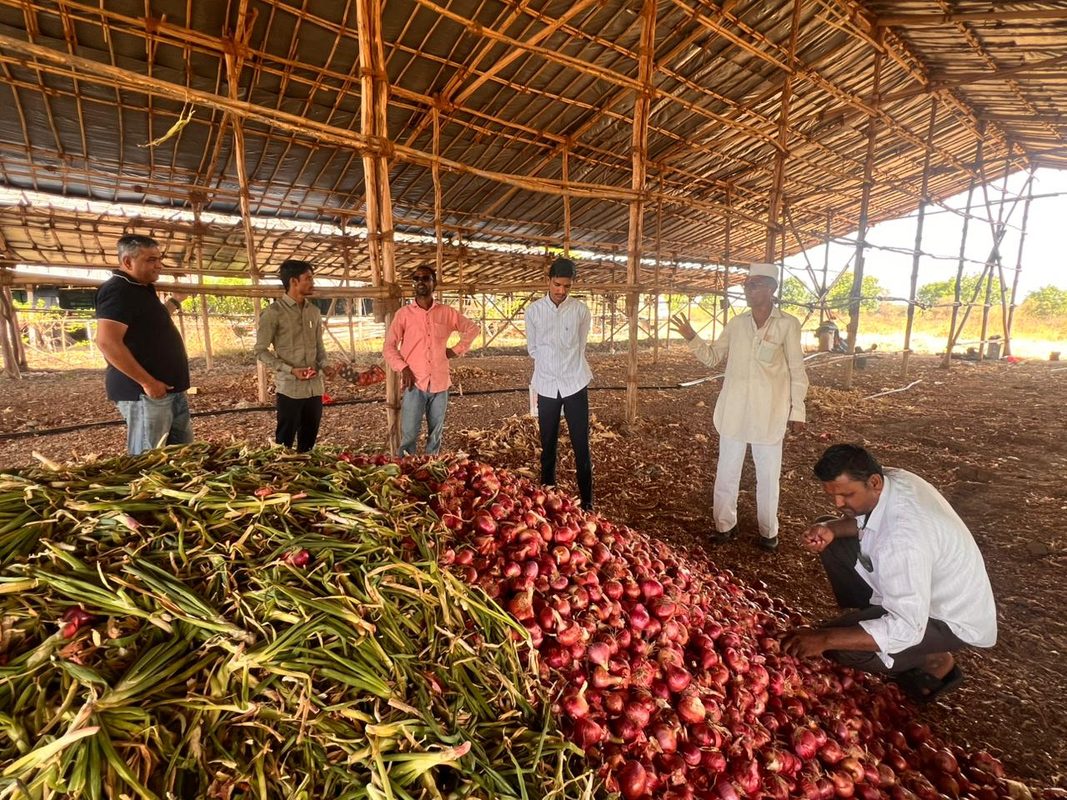
India is the world's largest producer and exporter of dehydrated onion products, with exports crossing $150 million annually. Onion powder, in particular, has become an indispensable ingredient for the global food processing industry — from instant noodle seasoning to ready-to-eat meal kits.
What Makes Indian Onion Powder Special?
Indian red onions, especially the Nashik varieties from Maharashtra, are known for their high pungency, deep colour, and strong flavour profile. When dehydrated and ground into fine powder (80-100 mesh), they deliver consistent taste that fresh onions simply cannot guarantee at industrial scale.
The dehydration process reduces moisture content to below 6%, giving onion powder a shelf life of 12 months or more — a massive advantage for food manufacturers who need predictable supply chains and stable inventory.
Who Buys Onion Powder in Bulk?
- FMCG companies for instant soups, noodles, and snack seasonings
- Spice blending companies for masala mixes and curry powders
- HoReCa chains for consistent flavour across locations
- Ready-to-eat meal manufacturers for shelf-stable products
- Export houses supplying to US, UK, UAE, and Singapore markets
Quality Parameters That Matter
For B2B buyers, the key specifications to look for are mesh size (80-100 for fine powder), moisture content (below 6%), and absence of added colours or preservatives. At Khushi Farms, every batch is lab-tested before dispatch, and we source directly from onion-growing belts in Maharashtra — cutting out middlemen and ensuring traceability from farm to factory.
The best onion powder starts with the best onions. That's why we go to the farms ourselves, inspect the harvest, and only process A-grade produce.
Health & Wellness
Curry Leaves Powder: The South Indian Superfood Your Kitchen Needs
Khushi Farms Team • April 2026 • 4 min read
Curry leaves (Murraya koenigii) are one of India's most underrated superfoods. While most households use them fresh for tempering, the powdered form is gaining rapid traction — both in domestic food processing and in international wellness markets.
Nutritional Profile
Curry leaves are rich in iron, calcium, phosphorus, and vitamins A, B, C, and E. They contain powerful antioxidants including mahanimbine and koenigine, which have been studied for their anti-diabetic, anti-inflammatory, and cholesterol-lowering properties.
When shade-dried (not sun-dried — this preserves the volatile oils and green colour) and ground to 80-120 mesh, curry leaves powder retains most of these bioactive compounds, making it a versatile ingredient for both culinary and nutraceutical applications.
Growing B2B Demand
- Spice companies adding curry leaf powder to South Indian masala blends
- Health supplement brands creating capsules and immunity boosters
- Instant food manufacturers for rasam, sambar, and upma mixes
- International buyers in the US and Europe for "superfood" product lines
Why Shade-Drying Matters
The drying method makes all the difference. Sun-drying is cheaper but destroys the essential oils that give curry leaves their distinctive aroma. At Khushi Farms, we use controlled shade-drying that takes longer but preserves the fragrance, colour, and nutritional value — exactly what premium buyers expect.
B2B Knowledge
Dehydrated vs Spray Dried: Which Powder Process is Right for Your Business?
Khushi Farms Team • March 2026 • 6 min read
If you're a food manufacturer, spice blender, or HoReCa buyer sourcing powders in bulk, understanding the difference between dehydrated and spray dried powders is critical. The process directly affects taste, texture, colour, solubility, shelf life, and price — and the right choice depends entirely on your application.
Dehydrated Powders
Dehydration involves slow removal of moisture using sun-drying, shade-drying, or controlled hot-air drying, followed by grinding. The result is a coarser, more textured powder that retains much of the original ingredient's colour, flavour compounds, and nutritional profile.
Best suited for: spice blends, masala powders, cooking applications, ready-to-eat meals where the powder is cooked into the dish. Onion powder, garlic powder, ginger powder, and chilli powder are most commonly produced this way.
Spray Dried Powders
Spray drying is a high-tech process where a liquid extract or puree is atomised into a hot chamber, instantly converting it into ultra-fine powder. The result is a highly soluble, free-flowing powder with uniform particle size.
Best suited for: beverages, instant drink mixes, baby food, ice cream mixes, and applications where the powder needs to dissolve completely. Fruit powders (mango, banana, pomegranate) and vegetable powders for instant soups are commonly spray dried.
Price Comparison
Spray dried powders are generally 40-80% more expensive than dehydrated versions of the same ingredient due to the capital-intensive equipment and energy costs. However, the per-unit usage is often lower because of higher concentration, which can offset the cost difference.
What We Recommend
Don't choose based on trend — choose based on application. If you're making a masala blend, dehydrated is your best bet. If you're formulating an instant health drink, spray dried will perform better. At Khushi Farms, we supply both formats and can help you decide based on your exact product requirements.
Our Impact
How Khushi Farms is Creating Sustainable Livelihoods for Rural Communities
Khushi Farms Team • March 2026 • 4 min read
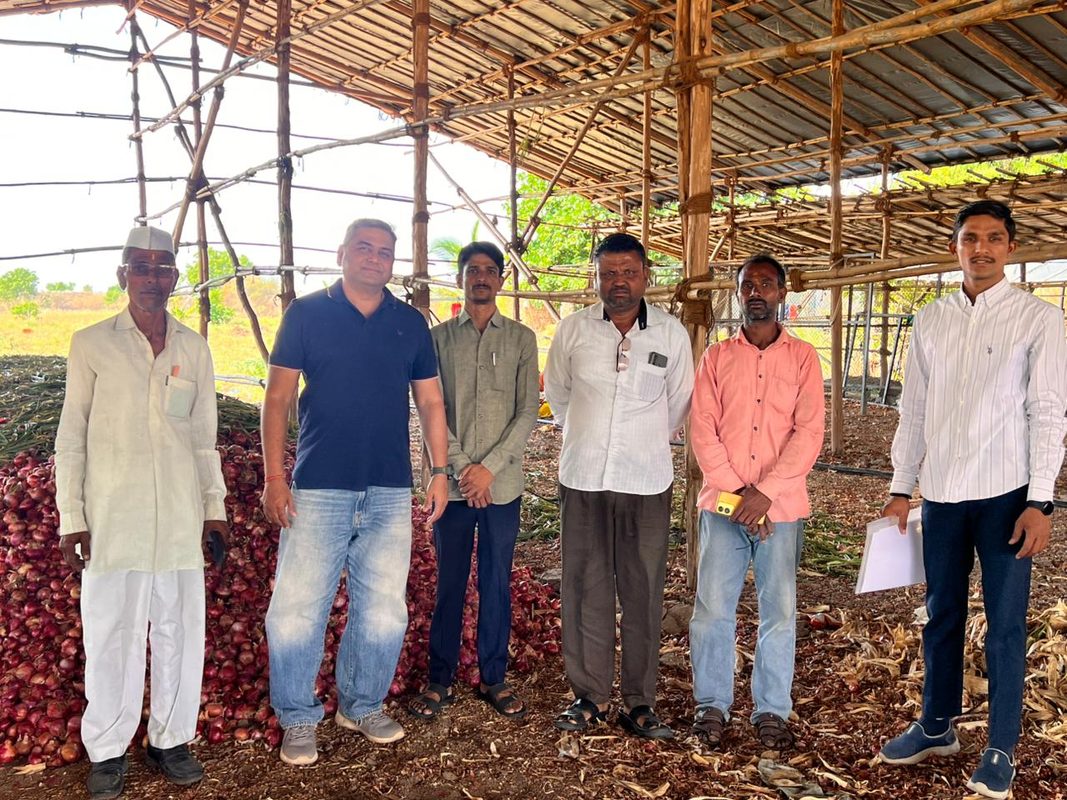
At Khushi Farms, business and social impact aren't separate goals — they're the same thing. Every tonne of powder we sell starts with a farmer in rural Maharashtra who grew, harvested, and sorted the produce by hand. Our sourcing model is designed to ensure these farmers benefit directly from the growing demand for natural food products.
Fair Pricing, Not Middlemen
Traditional agricultural supply chains in India involve 3-5 intermediaries between the farmer and the processor. Each one takes a margin, and by the time the produce reaches the factory, the farmer has received a fraction of its true value. We've cut this chain down to zero. Our team travels directly to farms, inspects the harvest on-site, and pays fair market rates — often 15-20% above what farmers receive through mandis.
Employment During Harvest Season
India's agricultural workforce is seasonal. During harvest months, we employ over 50 workers across our partner farms for harvesting, sorting, cleaning, and initial processing. This creates meaningful income during months that would otherwise see under-employment in rural areas.
What This Means for Our Buyers
When you source from Khushi Farms, you're not just getting a quality product at a competitive price. You're supporting an ethical supply chain that puts farmers first. In an era where consumers and businesses increasingly care about traceability and social responsibility, this matters — and it's something you can communicate to your own customers with confidence.
Market Insights
India's Ginger Powder Market in 2026: What B2B Buyers Need to Know
Khushi Farms Team • February 2026 • 5 min read

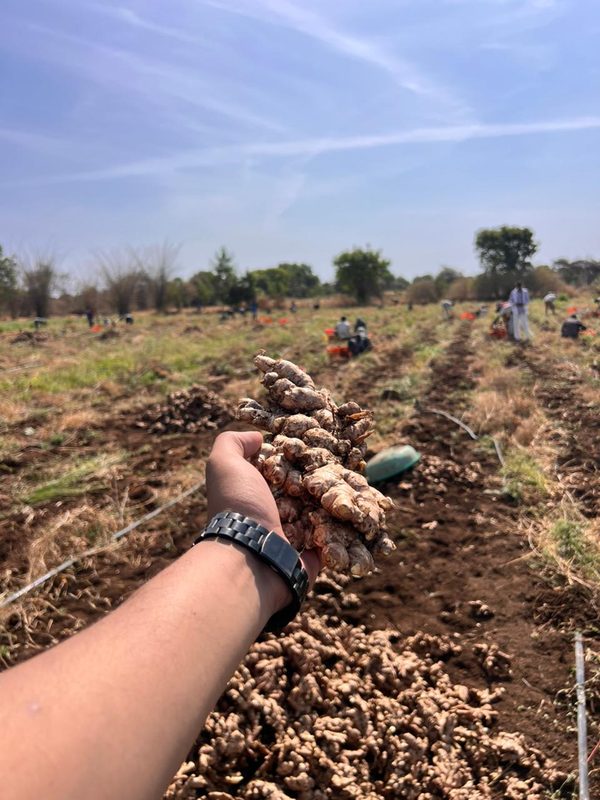
India contributes nearly 50% of global ginger production, and the processed ginger segment — including powder, oil, and flakes — is projected to grow at 12-14% annually through 2030. For B2B buyers, understanding what drives ginger powder pricing and quality is essential for smart procurement.
The Conversion Ratio
It takes 5-7 kg of fresh ginger to produce just 1 kg of dehydrated powder. This high conversion ratio is the primary reason ginger powder commands premium prices compared to other vegetable powders. The dehydration process also converts gingerol (the primary bioactive compound in fresh ginger) into shogaol, which is actually more potent — making dehydrated ginger powder more therapeutically valuable than fresh ginger for nutraceutical applications.
Key Quality Specs
- Mesh size: 80-100 for culinary grade, finer for nutraceutical
- Moisture: Below 7% for optimal shelf life (12 months+)
- Gingerol content: 2%+ for health supplement buyers
- Colour: Light beige to pale yellow indicates proper drying
- Aroma: Strong, pungent smell is the #1 quality indicator
Where Demand is Growing
Beyond traditional use in chai and cooking, ginger powder demand is surging from three emerging segments: functional beverages (ginger shots, immunity teas), Ayurvedic and wellness supplements, and the bakery/confectionery industry. Each segment has different spec requirements, and working with a supplier who understands these nuances saves time and money.
We source our ginger from farms in Maharashtra where the soil and climate produce roots with naturally high gingerol content. Every batch comes with a lab report confirming moisture, mesh, and potency specifications.